01
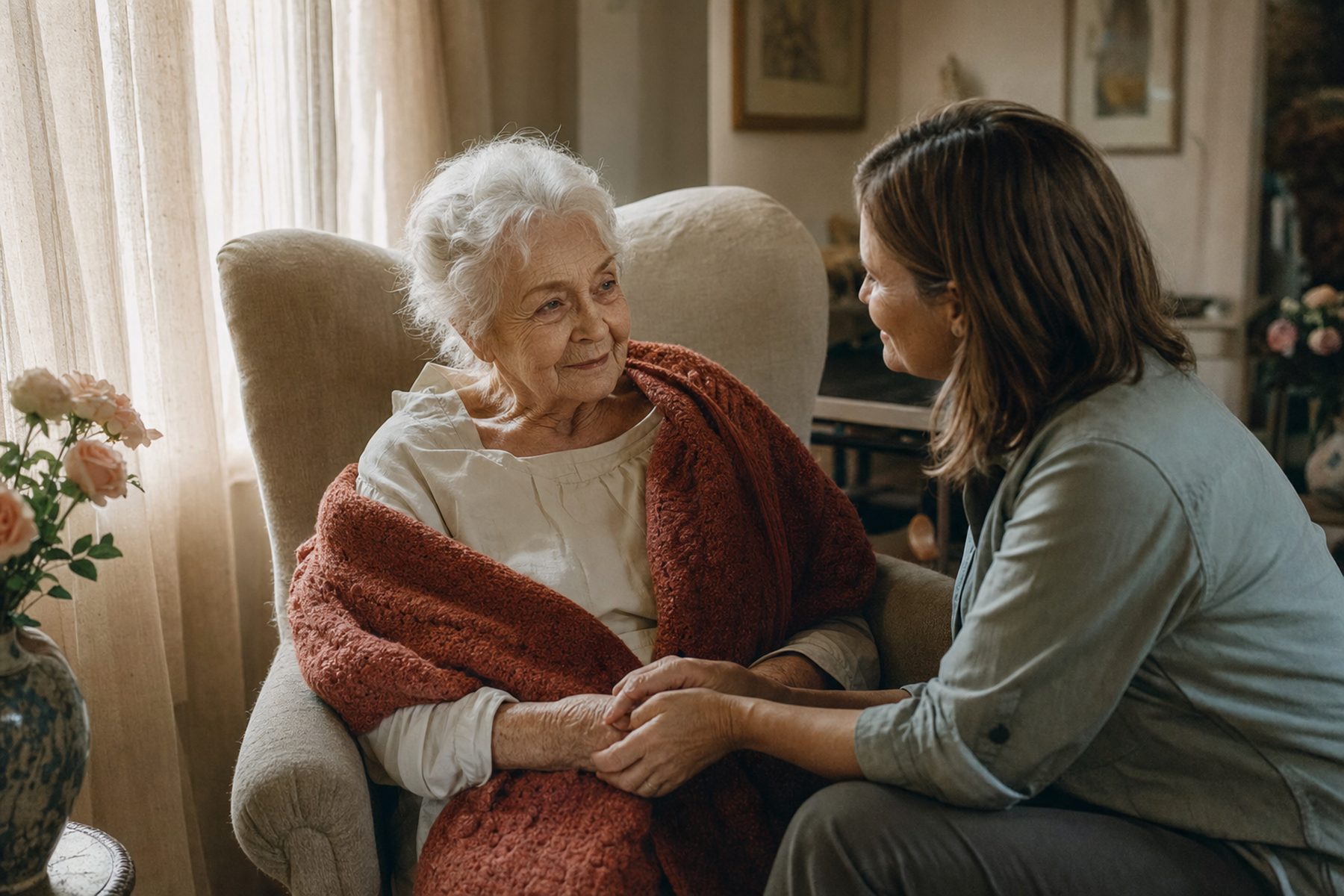
Hospice care at home
Regular nursing visits to assess the patient and adjust the plan of care, aide visits for bathing and personal care, and all medications, equipment and supplies related to the terminal illness delivered to the home — with a nurse on call at every hour.
02
Inpatient & respite care
A short stay at a partner facility when symptoms need round-the-clock management the home cannot provide, or a planned respite stay of up to five days so a family caregiver can rest.
03
Pain & symptom management
A physician-led plan for pain, breathlessness, nausea, anxiety and restlessness, adjusted as often as the patient’s symptoms change. Meta-analyses of hospice and palliative care show clinically meaningful reductions in symptom burden compared with usual care.
04
Spiritual care
A chaplain who meets the patient inside their own tradition, or with no tradition at all. Prayer, sacraments, life review, or simply company. This is care for the patient first; family members are welcome to participate.
05
Social work & counseling
Practical support for the patient and family: advance directives, POLST, help understanding the Medicare benefit and any secondary coverage, family meetings, and decisions about placement if the home is no longer safe.
06
Bereavement & volunteers
Trained volunteers to read aloud to the patient, run errands, or sit at the bedside so a spouse can sleep. After the patient’s death, Medicare requires hospice to provide bereavement support to the family for at least 13 months, and Rosewood does.